
THE PROCESS · NEWEST FIRST
Ten years from
a kitchen table
to burning tokens.
I love tables with cards on them. I love deckbuilders. And, I love mechs. And a confession: I have a weakness for the grotesque: large worlds and large intricate gameplay with much art and big stories. This is my story of how a wonky paper prototype became the game behind the PLAY button.
NOW
09 · A NOTE ON GENERATIVE AI
Much of what you see was made with it. I regard the result as a game made by the community.
On top of ten years of my own drawings, rules and stubbornness sit tools trained on the work of millions of makers. I will not pretend otherwise, and I will not pretend that is nothing. It is why half of the profit of the finished game goes back out, to causes you pick. How that works.
10 · STILL HAND-MADE
The whole world-building idea.
The sketches the generative art was made from.
The rules, and every number on every one of the 267 cards.
Twenty drivers, their names, their factions and their great works.
The boards: forty-nine arenas laid out tile by tile, and the bottle's court.
Jane, Sue, Toni and V, and every line they say.
The paper prototype, still in its box, still the specification.
The testing. Which, from here, is you.
NOV
07 · THE BOARDS
In November I wanted the boards to stop being floors and become places.
So I added ledges, linked pads, floor that cracks and falls away, platforms that fill on a seven-turn clock. Then I gave every driver a ladder of their own: more than a hundred new boards, built with the tools to my rules for composing a scene. The Adventure now climbs one ladder a run, to whoever lives at the top.
08 · THE TABLE, ONLINE
And I took the kitchen table online.
I turned every move into one repeatable step, so screens far apart play the very same match. Host a table and send the link, or open it to anyone. Everyone puts a board in the hat, a clock keeps the turns moving, and a dropped connection gets a minute to come back. It ends on one result screen, with a vote for a rematch.
OCT
05 · THE VOICES
In October I gave the house a voice, and everyone you fight one too.
I gave Jane a proper dialogue, nine moods with a pose for each, and sat Sue, Toni, V and Z beside him; by November Sue, Toni and V had halls of their own. Opponents taunt you in their own voice, and I keep them strangers until you have seen them. The lessons grew to twelve, three on each world, and I gave the story its urgency: the Last Source is waking.
06 · THE HANDS
Then I put every attack in your own hands.
A long shot is aimed through a sight, a close strike lands on a wheel of seven parts, and a parry or a dodge comes down to a split second. I kept the perfect ones rare, so you feel them. And I wanted an opponent that thinks: the AI remembers who hurt it, picks a mood each turn and plays its options out before it moves.
SEP
04 · THE DOORS
The beta opened, and met people who did not owe me a favour.
The doors opened at the end of September. In the weeks after, the last card got its art, every card was checked against its own words until each did exactly what it says, and every screen learned to fit a Chromebook with its browser bars showing.
2026
03 · THE TOOLS
Then I could describe a mech and see it standing on the board by the evening.
The tools changed faster than my excuses. A sketch became a rigged, textured driver. A rule I changed at breakfast was in the game by lunch, with the AI already playing it against me by dinner. The physical prototype became the specification; the drawer became a backlog. Below: one driver, Yol, from the page to the board.
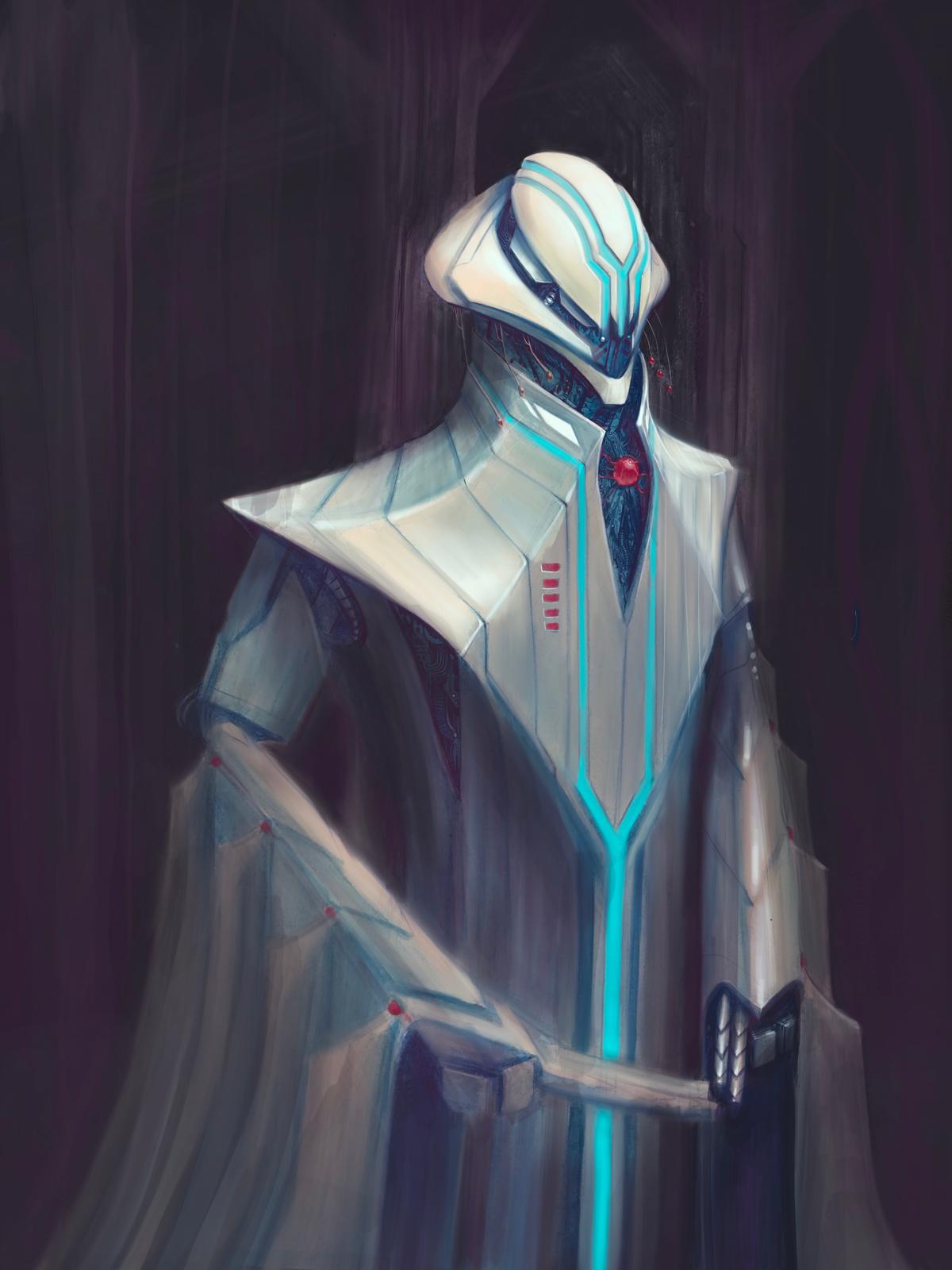
SKETCH · 2017
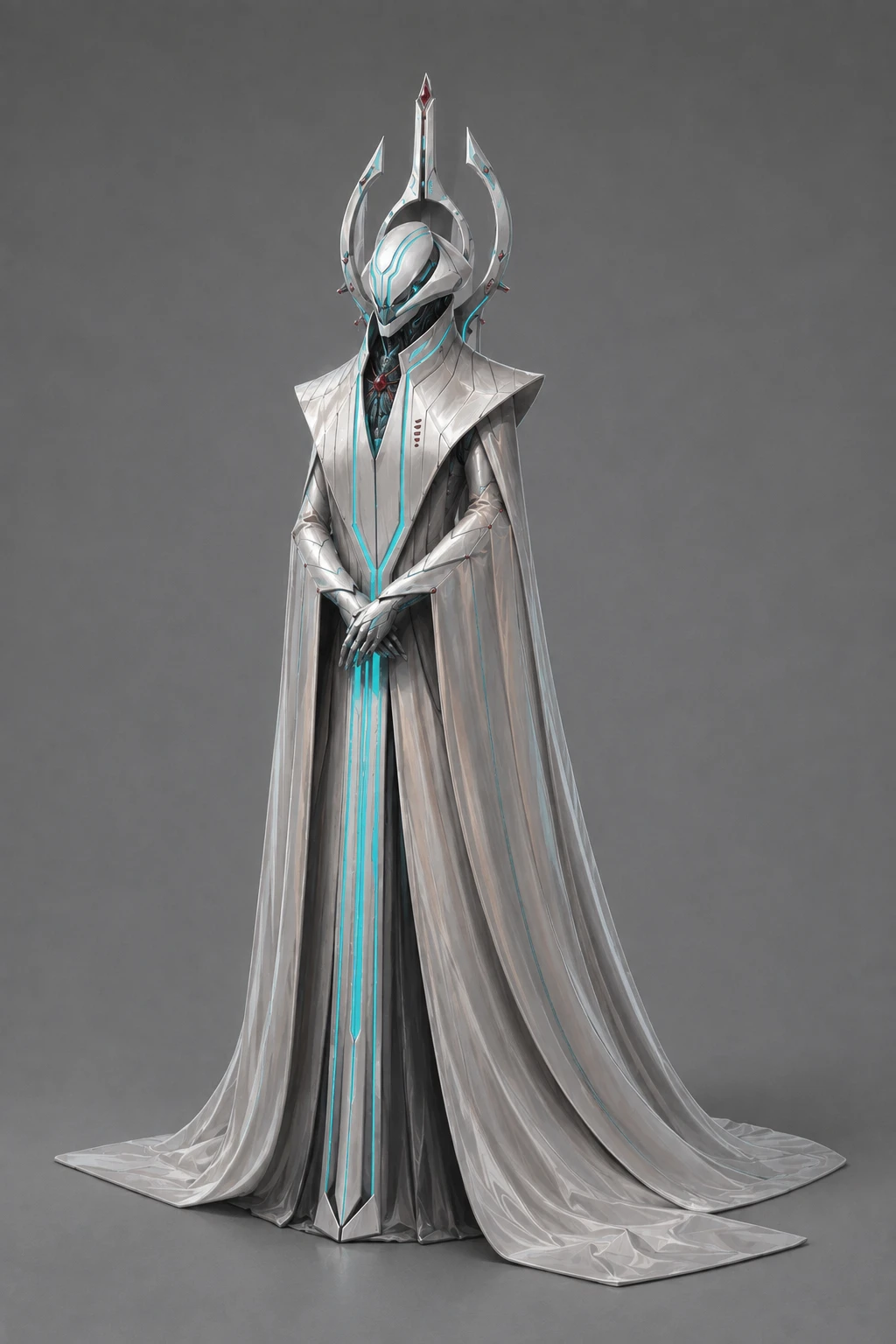
GEN-AI, FROM THE SKETCH · 2026
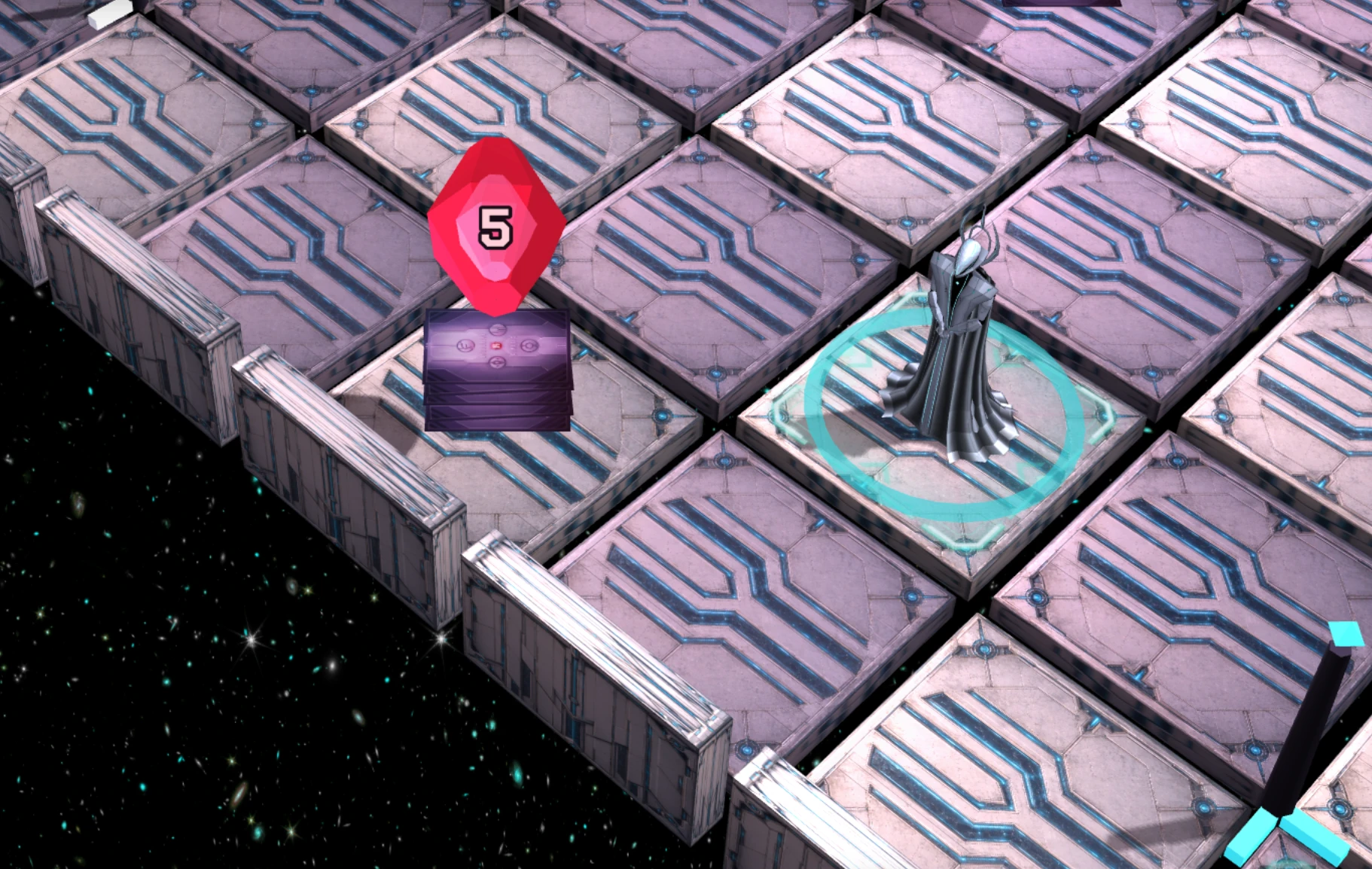
ON THE BOARD · 2026
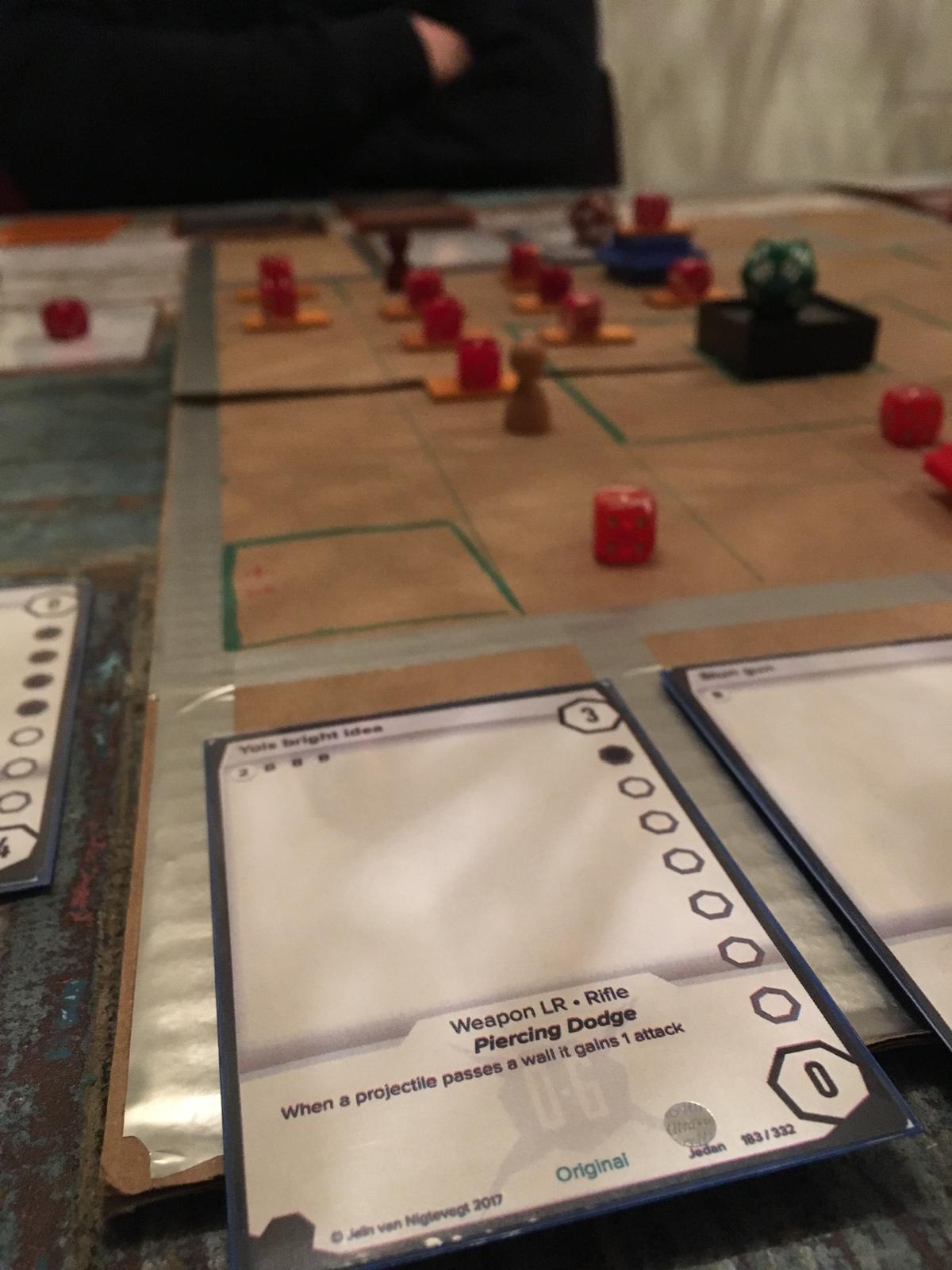
THE CARD · PROTOTYPE 2018
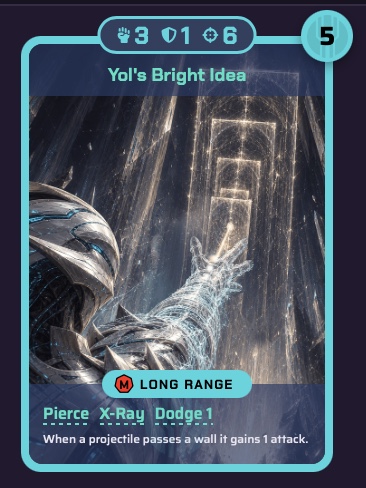
THE SAME CARD · 2026
THEN
02 · THE DRAWER
It worked. It also needed a hundred illustrations, a coder and a decade.
A card game is cheap to invent and expensive to finish. Every card wants art, every rule I changed wanted a rewrite, and a board with twenty mechs on it wanted a studio I did not have. Gwendolyn and I tried to prototype it, but ended up mostly working and teaching. I also focussed on running a company that makes HackShield and CyberHeroes, two other amazing games. The box went in a drawer. Drawers are where most games live.
2018
01 · THE TABLE
The first prototype was paper, a marker and people who owed me a favour.
Printed cards, a grid drawn on a playmat, tokens borrowed from Warhammer 40K. My wife and my colleagues played it first, at the lunch table. Two ranges, two energy pools and drawing from a Source you had to stand next to were already there. So was the rule that the floor eventually burns, because nobody would stop turtling.
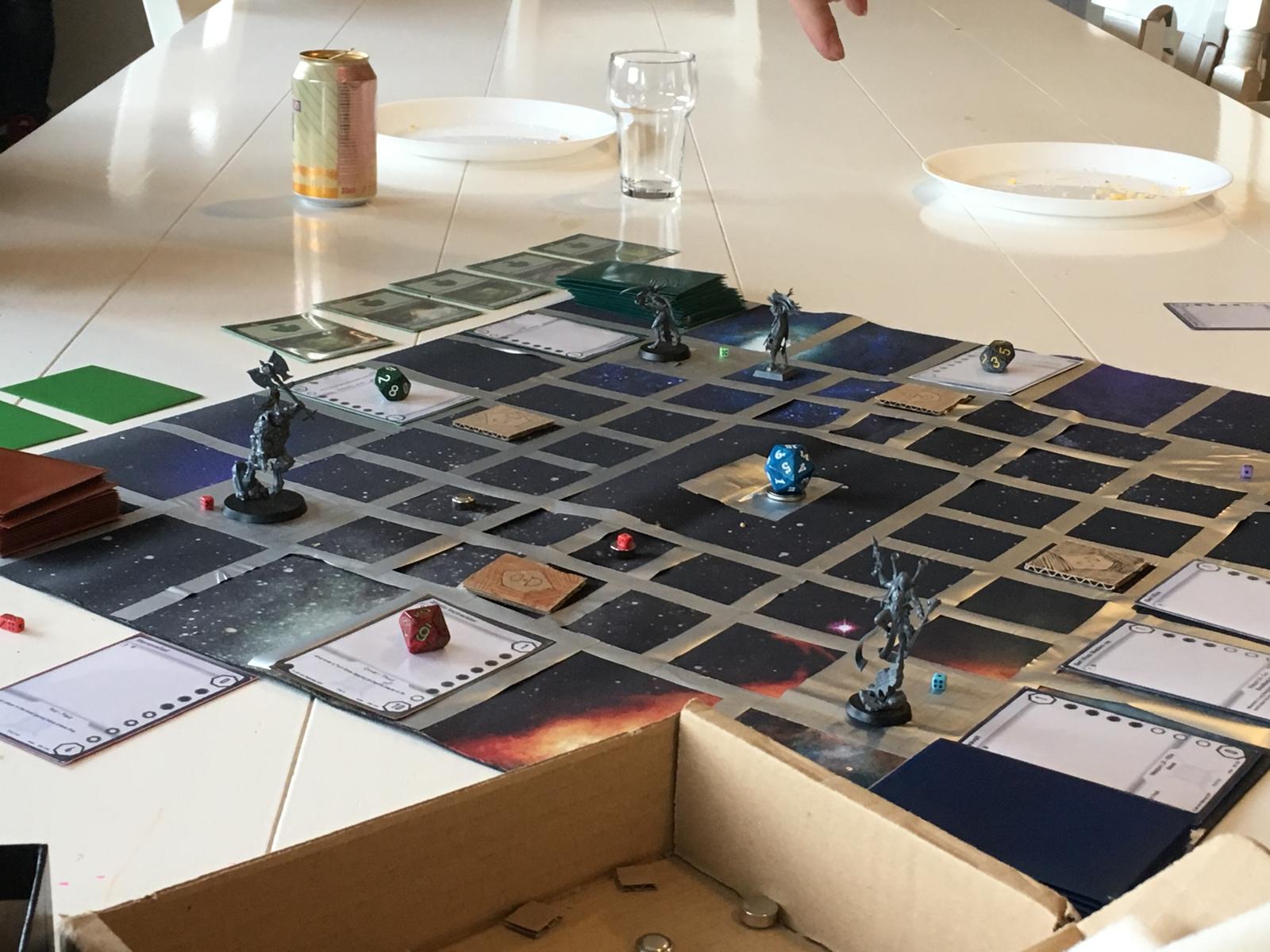
PLAYTEST · 2018
2017
00 · THE FIRST DRAWINGS
Before there were rules, there were drivers.
I started drawing them in 2017: the robes, the helmets, the shoulders too big for the room. Yol's sketch, further up this page, is from that year.